2026/06/11
Chromatographic silica gel is an essential raw material for separation and purification processes in biopharmaceuticals, plant extraction, fine chemicals and other sectors. Though all appear as white powder, their prices vary drastically. What exactly accounts for the differences? How to make a reliable choice and avoid pitfalls? Today we will thoroughly elaborate on this topic from a technical perspective.
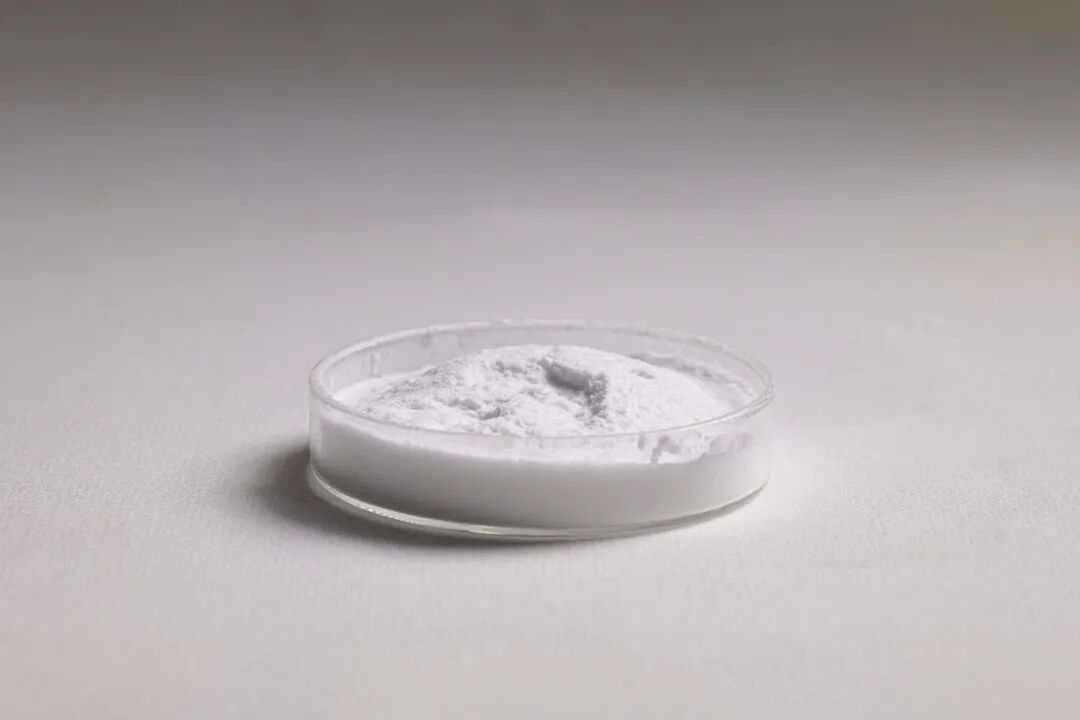
1. They all look like white powder — but what exactly sets them apart?
Those engaged in purification work all know well: even among chromatographic silica gels, some deliver excellent separation, fast flow rate and consistent batch performance, while others cause column clogging, distorted separation bands and unstable results across batches.
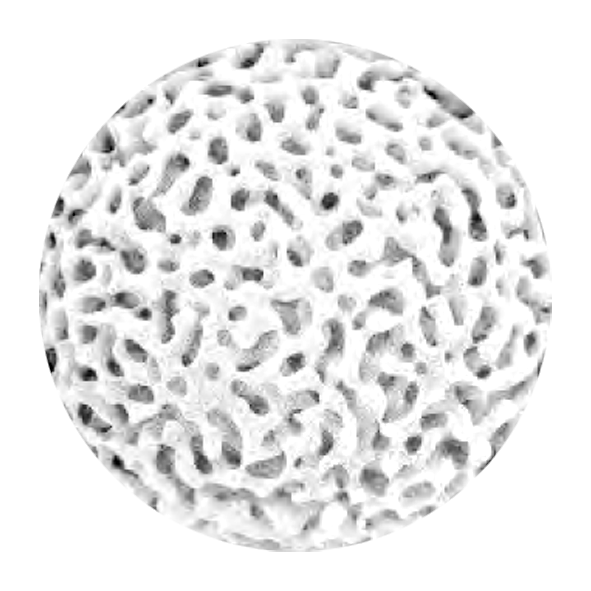
The root cause lies not in your column operation skills, but in the silica gel itself — more precisely, its internal structure.
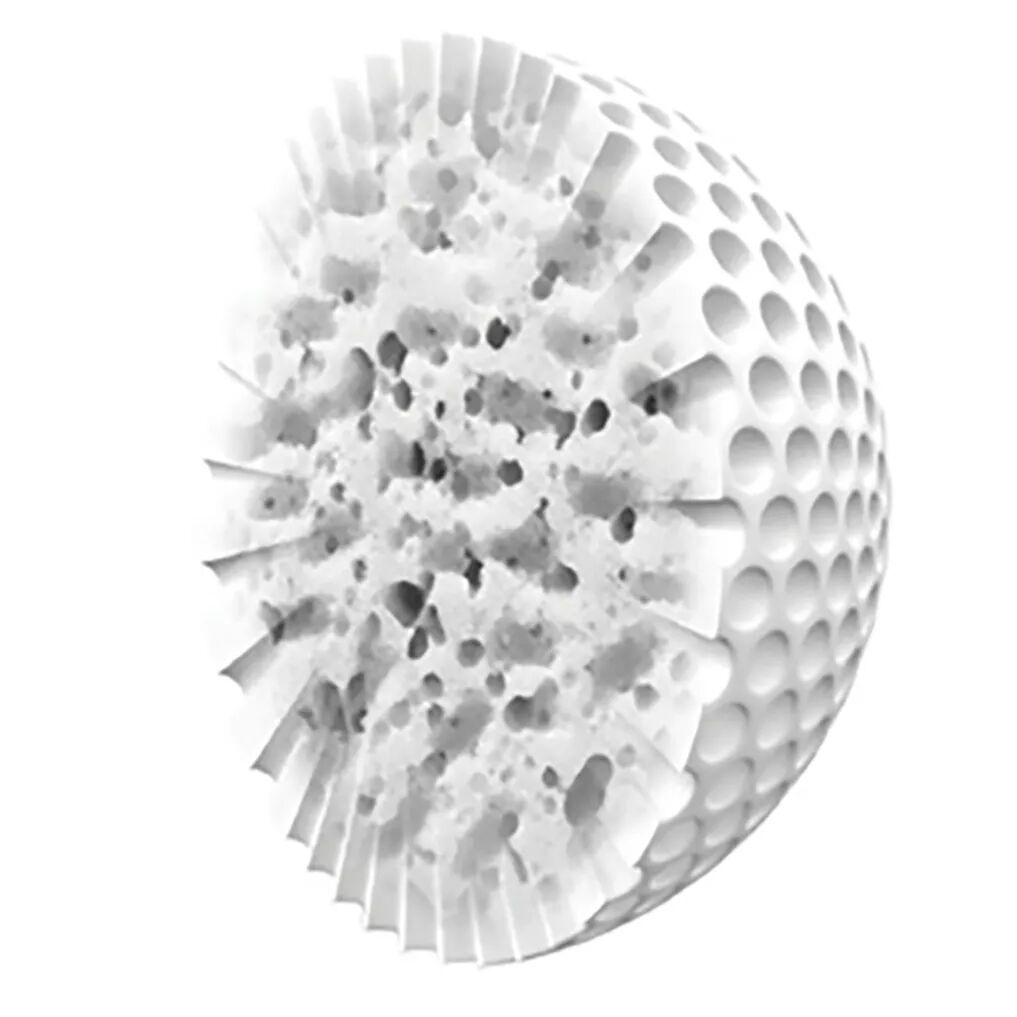
The performance of a single silica dioxide particle is determined by its internal structure formed during synthesis. Once fabricated, the following core parameters remain essentially unchanged:
Pore size & pore volume: Govern which molecules can enter the pores and their retention time.
Specific surface area: Directly affects sample loading capacity and separation efficiency.
Mechanical strength: Determines pressure resistance and service life.
Purity & metallic impurity content: Influence separation selectivity and product safety.
Silanol groups: The core active sites for adsorption, separation, peak shape control, stability and bonding performance. Their quantity, type, distribution and activity are critical to separation results and overall usability.
Therefore, selecting chromatographic silica gel essentially means choosing a complete, stable and predictable set of internal structural parameters. Only manufacturers that can control these parameters at the source are able to fundamentally address your application challenges.
2. Key Parameters to Evaluate When Selecting Silica Gel
Put aside complicated technical terms. For most separation and purification applications, you only need to focus on the following five core dimensions.
Particle Size (Mesh)
Finer particles deliver better separation performance, yet result in a slower flow rate.
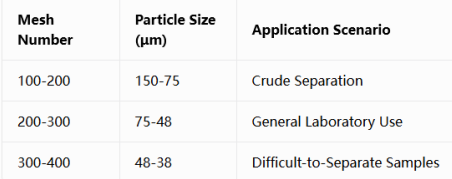
Additional Specifications
100-200 mesh: The top choice for crude separation, enabling fast column runs and ideal for samples with large differences in Rf values.
200-300 mesh: The all-purpose laboratory workhorse, balancing resolution and flow rate perfectly.
300-400 mesh: The go-to for challenging separations, designed for samples with closely similar Rf values.
Of course, a wider range of specifications is also available to meet diverse application scenarios…
Pore Size
The pore size must be larger than the target molecule’s dimensions; otherwise, the molecules cannot enter the pore channels, resulting in no separation effect.
Fine pores (20–40 Å): Ideal for small molecules (MW < 1000 Da)
Mesopores (50–80 Å): General-purpose separation with the widest application range
Coarse pores (80–100 Å): Suitable for large molecules or applications requiring fast elution
Macropores (120–200 Å): Used for ultra-large molecules, polysaccharides, and polymers
Specific Surface Area and Pore Volume
These two parameters together determine the sample loading capacity of silica gel. A higher specific surface area theoretically leads to a greater sample loading capacity, while a larger pore volume reduces mass transfer resistance.
pH Tolerance and Surface Chemistry
Based on the acidity or basicity of target compounds, chromatographic silica gels can be customized to work within a pH range of 2–12. For more advanced applications, bonded-phase functionalized silica gels are also available.
Mechanical Strength and Sphericity
For medium- and high-pressure preparative chromatography, the mechanical strength of silica gel directly determines column bed stability and equipment safety.
Irregular silica gel: Suitable for atmospheric pressure columns, offering high cost-effectiveness.
Spherical silica gel: Ideal for Flash and HPLC systems, featuring uniform packing, high pressure resistance, and excellent column efficiency.
3. Why In-source Synthesis Is the Fundamental Solution
In the silica gel industry, a fact often overlooked is that many commercial products are not manufactured in-house by the final suppliers.
It is quite common in the trade to purchase semi-finished products for subsequent sieving and packaging.
However, there are obvious drawbacks. The core structural parameters are already fixed at the raw material stage and cannot be altered during post-processing. Without control over the production source, consistent batch quality can hardly be guaranteed. Moreover, quality issues will be extremely difficult to trace.
Bangkai takes a more solid approach — we control the entire production process from the very beginning.
In-house Synthesis & Full-process Control
We maintain full independent control over the entire workflow, starting from silica synthesis through sieving, modification to final packaging. Every silica gel particle is precisely engineered on Bangkai’s R&D and production lines.
Dual Compliance with Food & Pharmaceutical Standards
Our products meet quality requirements for both food and pharmaceutical industries, which is quite rare in this sector.
Full Product Range & Full-parameter Customization
We offer not only standard products but also tailored solutions. Parameters including particle size, pore size, specific surface area, purity and packaging can all be customized to your needs. The right product is always the best choice.
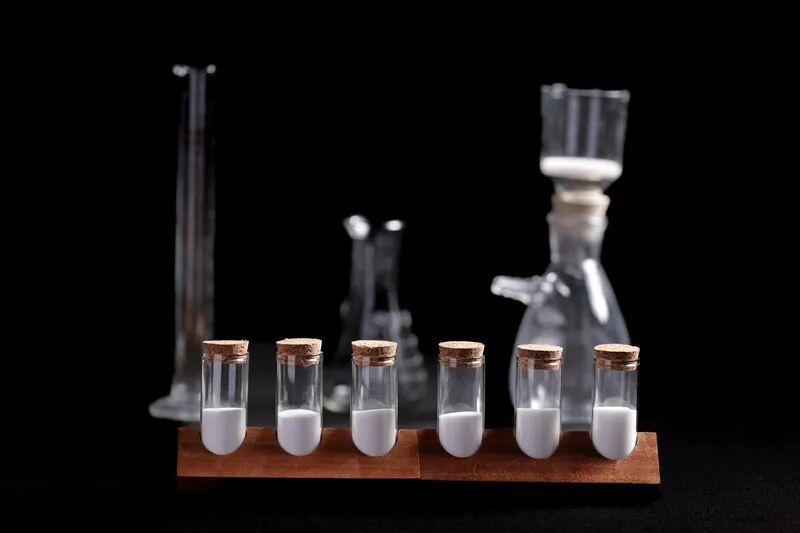
4. 18 Years Dedicated to Silica-Based Purification Media — What Has Bangkai Accomplished?
Founded in 2009, Bangkai has been deeply engaged in the field of silica-based purification media for 18 years. Over the years, we have accomplished three core milestones.
(1)We have built the most complete and longest product portfolio in the industry.
Our product range covers raw silica gel, chromatographic silica gel, chromatographic packing materials, micronized silica gel and catalyst supports. With ten product lines in total, we fully meet demands across R&D and production, entry-level to high-end applications, as well as pharmaceutical and chemical sectors.
Our products are exported to more than 20 countries and regions, serving a wide range of industries including biopharmaceuticals, plant extraction, fine chemicals, food safety, environmental testing and petrochemicals.
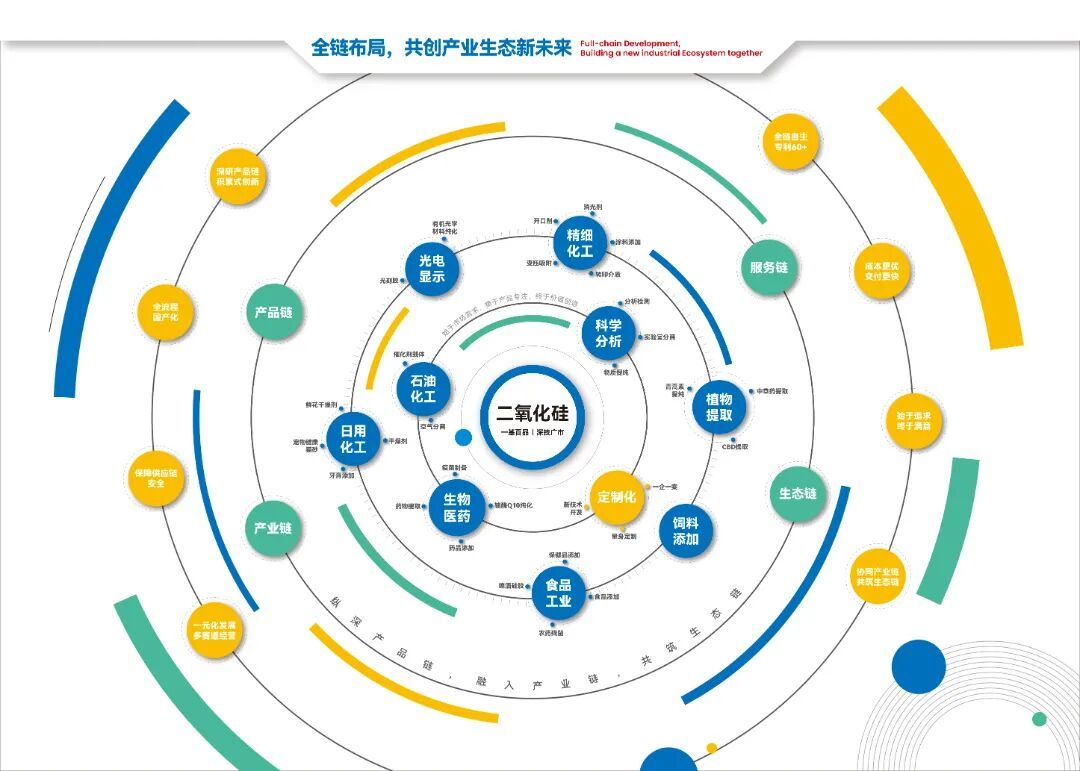
(2)We have established genuine customized production capabilities
Bangkai is remembered by numerous clients not for pricing, but for our deep understanding of their needs and reliable custom-tailoring services.
We support full-parameter customization covering pore volume, pore size, pH value, specific surface area and more.
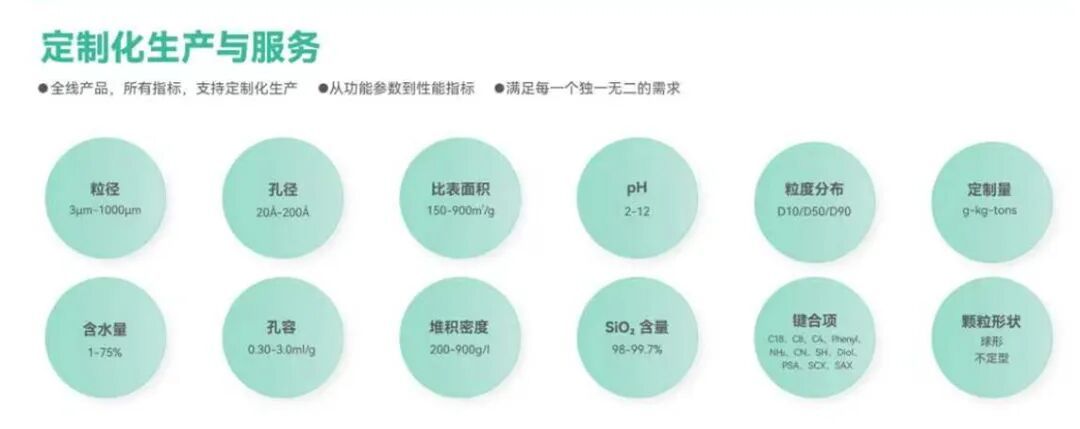
Food grade, pharmaceutical grade and industrial grade — we deliver products complying with your required standards.
Even metallic impurity content, batch consistency and packaging specifications are all customizable.
"Full product range with full-parameter customization" is not just a slogan, but our proven capability to serve clients.
(3)We prioritize customer demands over existing inventory.
Bangkai’s R&D team adheres to one principle: we first analyze your separation system, then tailor silica gel parameters accordingly.
Our customization goes far beyond simply adjusting mesh size. Based in-depth understanding of separation mechanisms, we optimize synthesis parameters from the source to deliver targeted performance.
5. When choosing silica gel, what you seek is reliability and certainty.
For separation and purification processes, silica gel is not the most costly consumable, yet it underpins all your upfront investment. A failed separation means losing more than just a column and a few grams of silica gel — it wastes days or even weeks of hard work.
This is why more and more R&D teams and manufacturing enterprises are no longer only focusing on unit price when selecting silica gel. Instead, they prioritize:
✅ Stable and predictable parameters
✅ Consistent quality across batches
✅ The manufacturer’s ability to control quality from the source
✅ Responsive technical support to troubleshoot and optimize processes together
We strive to refine every particle of silica dioxide. From raw synthesis to high-end applications, we achieve full-process independent domestic control.
For 18 years, we have focused on silica-based purification media. Our goal is not to become the largest manufacturer, but your most reliable partner.
If you are seeking stable and customizable chromatographic silica gel solutions, get to know Bangkai.
If you are facing challenges in separation and purification, or require customized silica gel solutions, feel free to leave a message or contact us directly. Our technical team will provide one-on-one consultation.